The Ingenious Inventions of Arab Engineers: A Look at the Evolution of Clocks
Category : clockdiscount | Sub Category : Posted on 2024-09-07 22:25:23
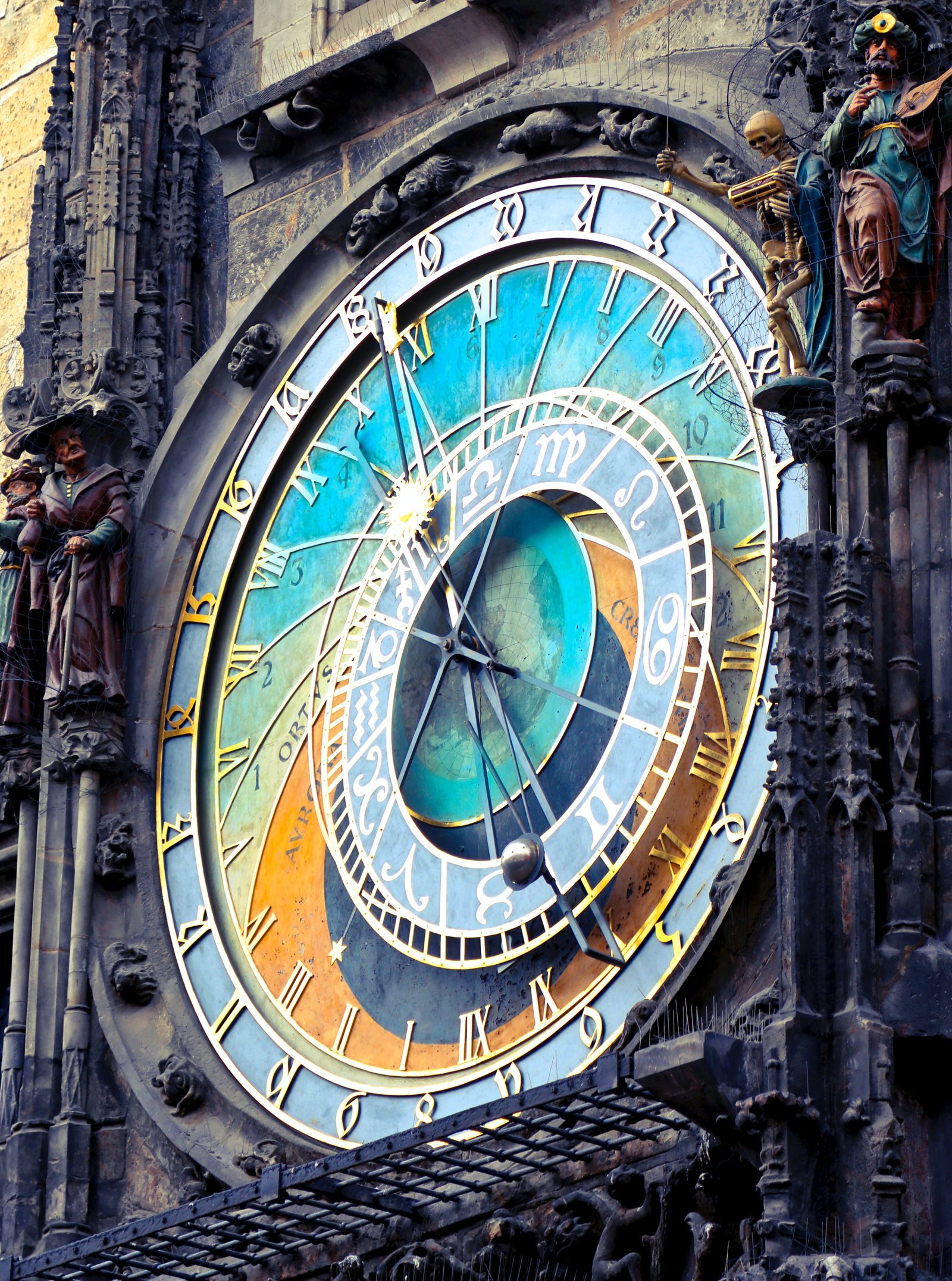
Clocks are an essential part of our daily lives, helping us stay organized and punctual. But have you ever wondered about the fascinating history and engineering behind these timekeeping devices? The evolution of clocks is a testament to human ingenuity and innovation, with Arab engineers playing a significant role in advancing this important technology. The concept of measuring time has been a fundamental aspect of human civilization for centuries, with ancient civilizations using various methods such as sundials, water clocks, and candle clocks to track the passage of time. However, it was the Arab scholars and engineers who made significant advancements in timekeeping devices during the Golden Age of Islamic Civilization, from the 8th to the 14th century. One of the most prominent Arab engineers who made significant contributions to the field of timekeeping was Al-Jazari, a polymath from the Islamic Golden Age. Al-Jazari is best known for his groundbreaking work "Al-Jami` bayn al-`ilm wa 'l-`amal al-nafi` fi sina`at al-hiyal" (The Book of Knowledge of Ingenious Mechanical Devices), which included detailed descriptions and illustrations of various mechanical devices, including water clocks and astronomical clocks. Water clocks, also known as clepsydra, were among the earliest timekeeping devices developed by Arab engineers. These clocks used the flow of water to measure time, with intricate mechanisms that allowed for accurate timekeeping. The use of water clocks by Arab engineers revolutionized timekeeping and paved the way for more advanced clock mechanisms. Astronomical clocks were another remarkable innovation by Arab engineers, combining timekeeping with celestial observations. These clocks featured intricate designs that showcased the movement of celestial bodies, such as the sun, moon, and stars, to not only track time but also provide valuable astronomical information. The design and complexity of these clocks demonstrated the advanced engineering skills of Arab scholars and engineers. The contributions of Arab engineers to the field of timekeeping extended beyond just the development of clocks. Their advancements in areas such as mathematics, astronomy, and mechanics laid the foundation for modern clock technology, influencing clockmaking practices in Europe and beyond. Today, we continue to benefit from the innovative spirit and engineering prowess of Arab scholars and engineers who made significant contributions to the evolution of clocks. From ancient water clocks to intricate astronomical clocks, the legacy of Arab engineering in timekeeping devices continues to inspire and awe us. In conclusion, the evolution of clocks is a testament to human curiosity and innovation, with Arab engineers playing a crucial role in advancing the field of timekeeping. Their ingenuity and contributions have shaped the way we measure and track time, leaving a lasting legacy that continues to impact modern clock technology. Dropy by for a visit at the following website https://www.chatarabonline.com
Leave a Comment:
SEARCH
Recent News
- When it comes to running a business in Vancouver, time management is essential. One of the key tools for managing time effectively is a clock. Clocks play a crucial role in helping business owners stay organized, meet deadlines, and ensure smooth operations.
- Clocks in Tunisia play a crucial role in the everyday lives of its citizens and are deeply intertwined with the country's history and culture. From traditional timekeeping methods to modern advancements in clock technology, Tunisia has a fascinating relationship with time.
- Over the years, clocks have evolved beyond their conventional functionality of telling time to become stylish and innovative decor pieces. Clock trends have continuously changed to reflect contemporary design preferences and technological advancements. Let's explore some of the latest clock trends that are making waves in the world of interior design.
- Tick Tock: Exploring the Fascinating World of Clocks in Tokyo
- Introduction:
- Clocks are not just a way to tell time; they can also hold special significance when it comes to sports championships. From countdown clocks ticking away the days until the big game to clocks used to time critical moments during competitions, timepieces play a crucial role in the world of sports championships.
- Clocks in Smart Cities: Keeping Time in the Digital Age
- Clocks are an essential part of our daily lives, helping us stay on track and manage our time efficiently. Whether you're looking for a classic analog clock, a modern digital clock, or a decorative wall clock, there are a variety of stores where you can find the perfect timepiece to suit your style and needs.
READ MORE
11 months ago Category : clockdiscount

When it comes to running a business in Vancouver, time management is essential. One of the key tools for managing time effectively is a clock. Clocks play a crucial role in helping business owners stay organized, meet deadlines, and ensure smooth operations.
Read More →11 months ago Category : clockdiscount

Clocks in Tunisia play a crucial role in the everyday lives of its citizens and are deeply intertwined with the country's history and culture. From traditional timekeeping methods to modern advancements in clock technology, Tunisia has a fascinating relationship with time.
Read More →11 months ago Category : clockdiscount

Over the years, clocks have evolved beyond their conventional functionality of telling time to become stylish and innovative decor pieces. Clock trends have continuously changed to reflect contemporary design preferences and technological advancements. Let's explore some of the latest clock trends that are making waves in the world of interior design.
Read More →11 months ago Category : clockdiscount
